If you are looking for a basic, all-butter pastry dough recipe to use for savory and sweet dishes, you have found it. Our recipe makes enough dough for one double-crust pie or two single-crust pies.
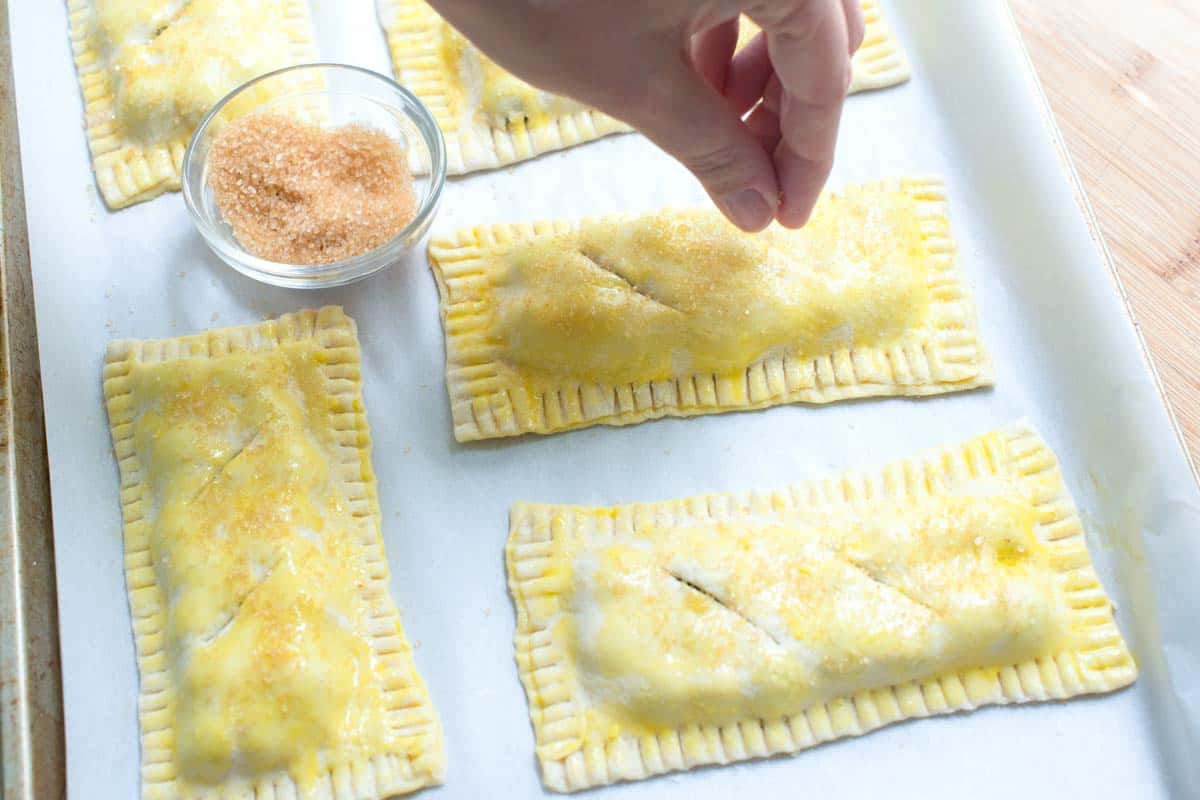
When I first started making pastries and pies, the crust stumped me. It was too crumbly and not flaky and just didn’t do it for me. After some time in the kitchen and, I’m not embarrassed to admit, a few failed attempts, we are happy to share this easy, basic recipe for pastry dough. We also love this slightly updated pie crust recipe with a how-to video.
This recipe calls for 100% butter, not shortening (I like it that way). However, that doesn’t mean you couldn’t swap some of the butter called for with shortening. Shortening in pastry dough can help make it easy to roll out, is helpful for warmer climates, and makes the dough light. To use shortening in our recipe, I suggest replacing about 25% of the butter with shortening.
How to Make Basic Pastry Dough
I love making pastry dough and find using a food processor best. You can make this by hand using a pastry cutter, but it takes more elbow grease. A food processor will make the whole process much quicker. Here are the basic steps for making pastry dough:
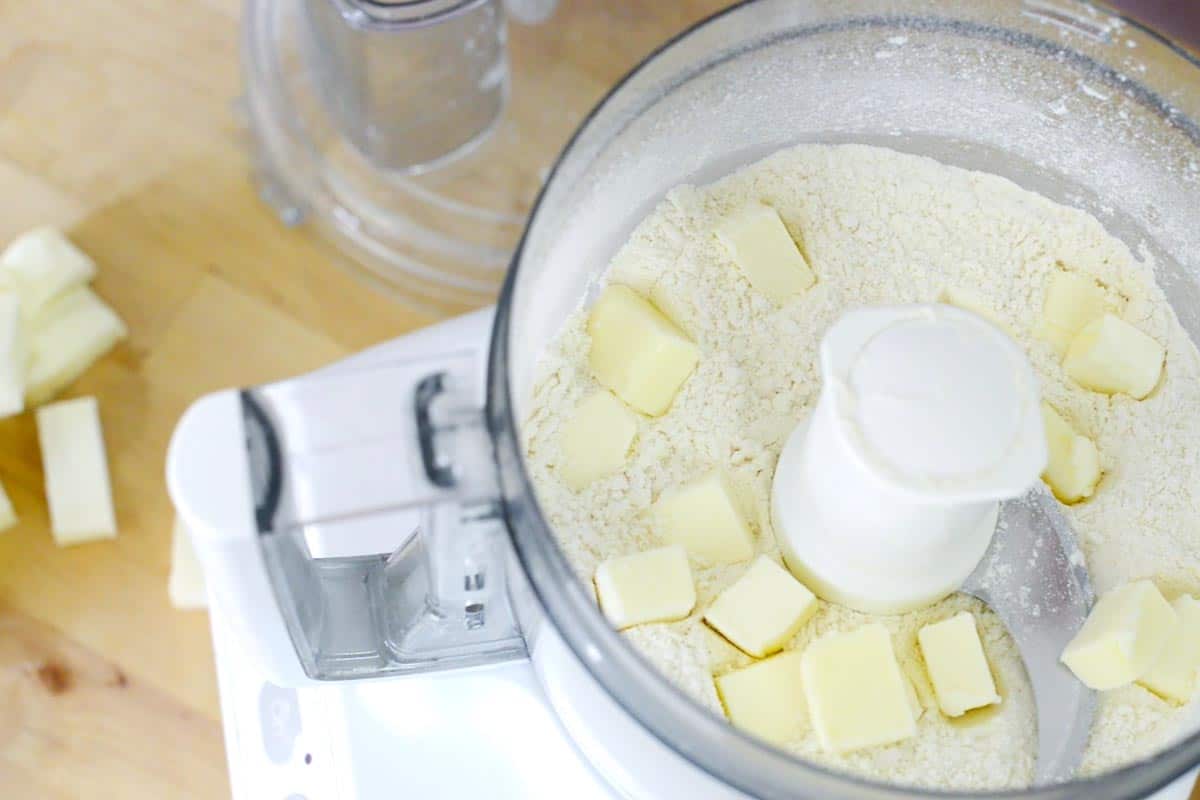
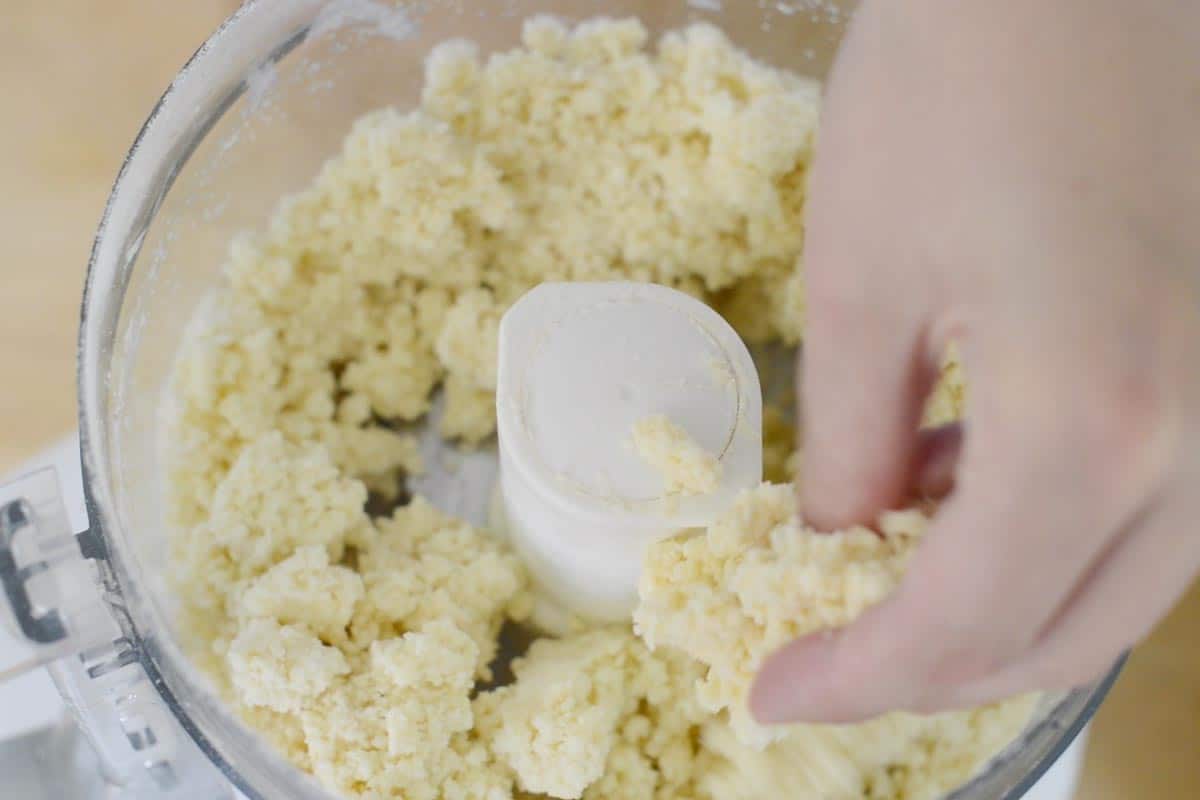
You’ll start by pulsing COLD butter into a mixture of flour, salt, and sugar (optional). When the mixture resembles flour with bits of butter the size of peas, add a bit of cold water and pulse it in until the dough mostly comes together.
See how I’m pressing it together with my fingers? That’s what you are looking for.
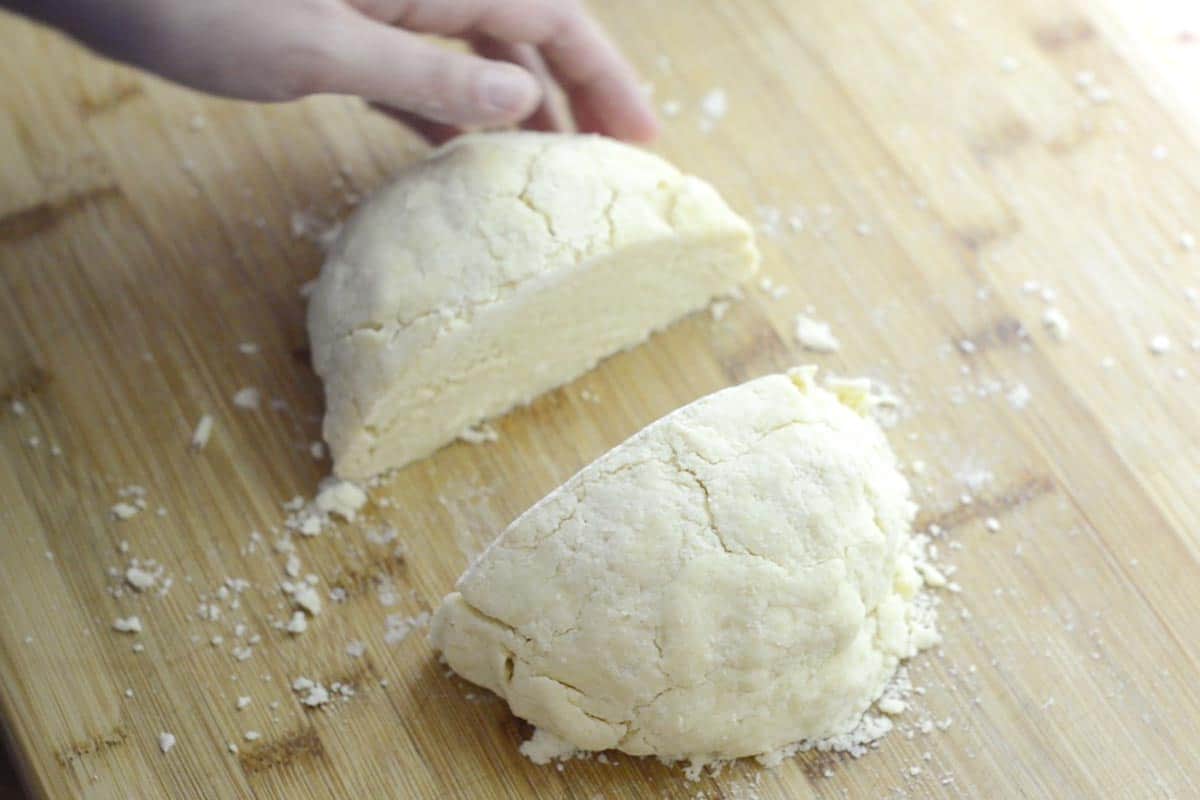
Our recipe below makes enough dough for 1 double-crust pie or two single-crust pies. The dough will need to chill before you roll it. If you know you will roll our two crusts, refrigerate the dough cut in half. Then, pat each half into discs, which makes rolling out later much easier.
Here are a few more tips to keep in mind when making homemade pastry dough:
- Place the butter, food processor bowl, and blade into the freezer for about 10 minutes before starting.
- Have all your ingredients ready and work quickly, keeping everything as cold as possible.
- Chill the water with ice to guarantee it is as cold as possible before starting.
- If the oven or any burners are on, work as far away from them as possible.
- Use the pulse function for the food processor for more control. Don’t just turn it on.
- The water you need will vary depending on your flour, humidity, etc… Our best advice is to practice. Our recipe is not magic. We all need to trust ourselves a bit and remember to keep everything COLD!
How to Use Homemade Pastry Dough
You can use this homemade pastry dough for your favorite pies, quiches, and even rustic free-form tarts. I especially love it for these handheld blueberry pies, our mini beef and Guinness pies, and many more of my favorite pie recipes on Inspired Taste.
Easy Butter Pastry Dough
- PREP
- TOTAL
I love this basic, all-butter pastry dough recipe for savory and sweet pies. Our recipe makes enough dough for one double-crust pie or two single-crust pies. Using a food processor makes this recipe quick and easy!
You Will Need
2 ½ cups (325g) all-purpose flour
1 teaspoon kosher salt or use 1/2 teaspoon fine sea salt
1 teaspoon sugar
1 cup (227g) very cold unsalted butter
1/4 to 1/2 cup (60ml to 118ml) very cold water
Directions
1Cut the butter into small pieces, then place into the freezer along with the food processor bowl and blade for about 10 minutes.
2Once the food processor bowl and blade are chilled, add the flour, sugar, and salt; pulse a few times to combine.
3Add the chilled pieces of butter and pulse for 1 second about 8 times until it looks crumbly and the butter is the size of peas.
4Using a tablespoon measure, add 3 tablespoons of cold water to the dough and pulse for 1 second. Repeat this with more water until the dou)gh pulls away from the sides of the bowl and comes together. Depending on the humidity of your area, you may need 6 or more tablespoons.
5Place the dough on a floured work surface and use your hands to bring it together into a ball; do not knead. Work the dough just enough to form a ball.
6Cut the ball in half, then form each half into discs. Wrap each disc with plastic wrap and refrigerate for at least 1 hour and up to 2 days. You can freeze it for up to 3 months (thaw it overnight in the fridge before using).
Adam and Joanne's Tips
- The nutrition facts provided below are estimates.
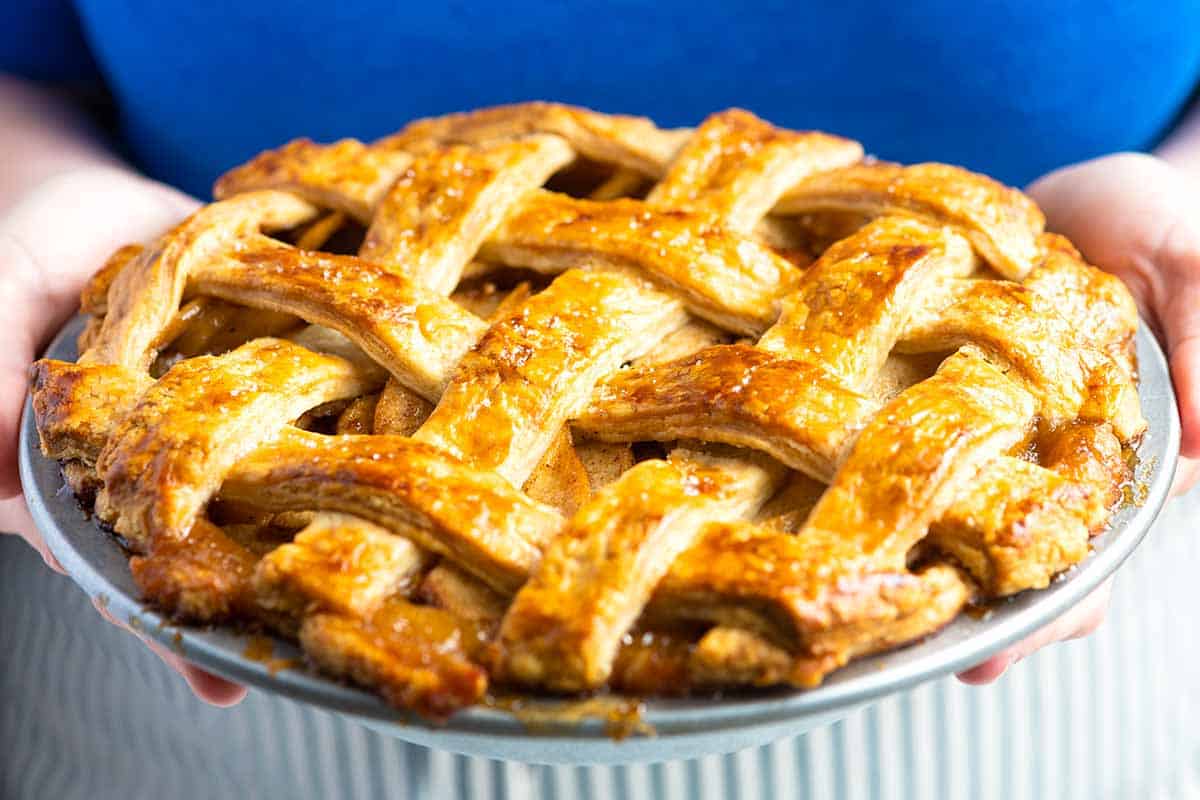
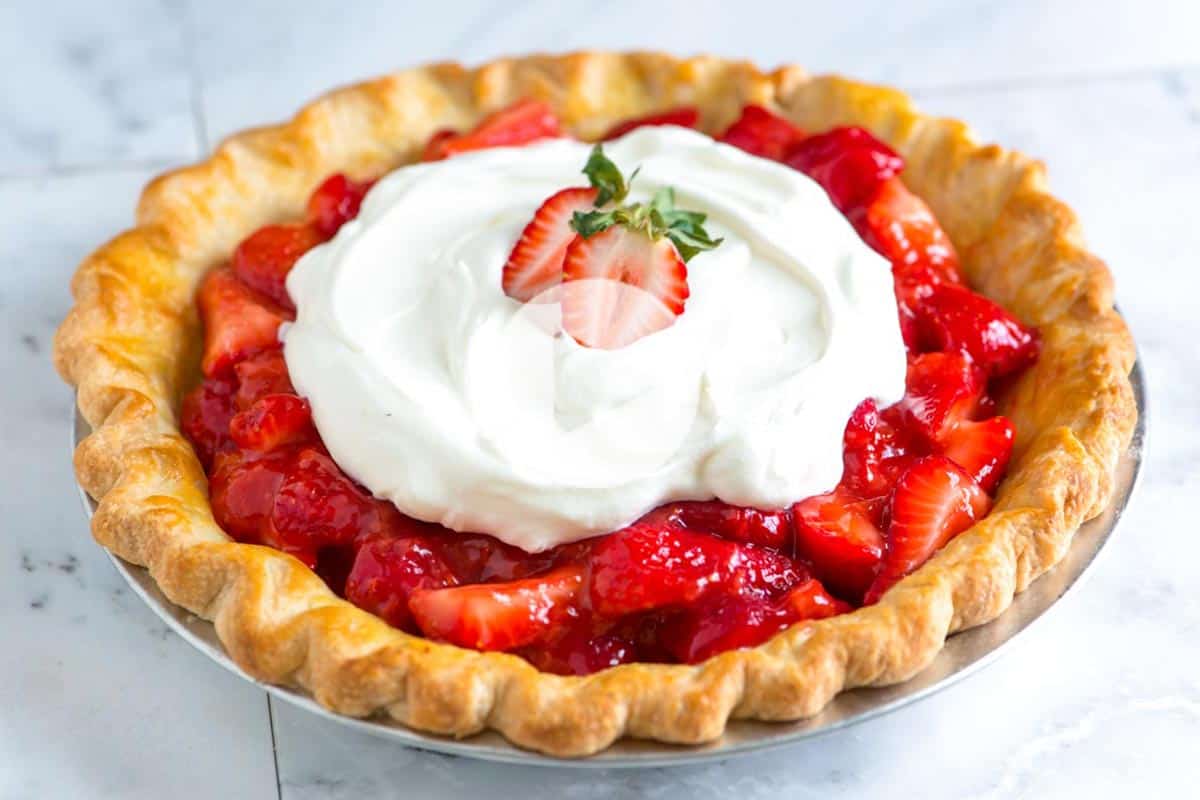
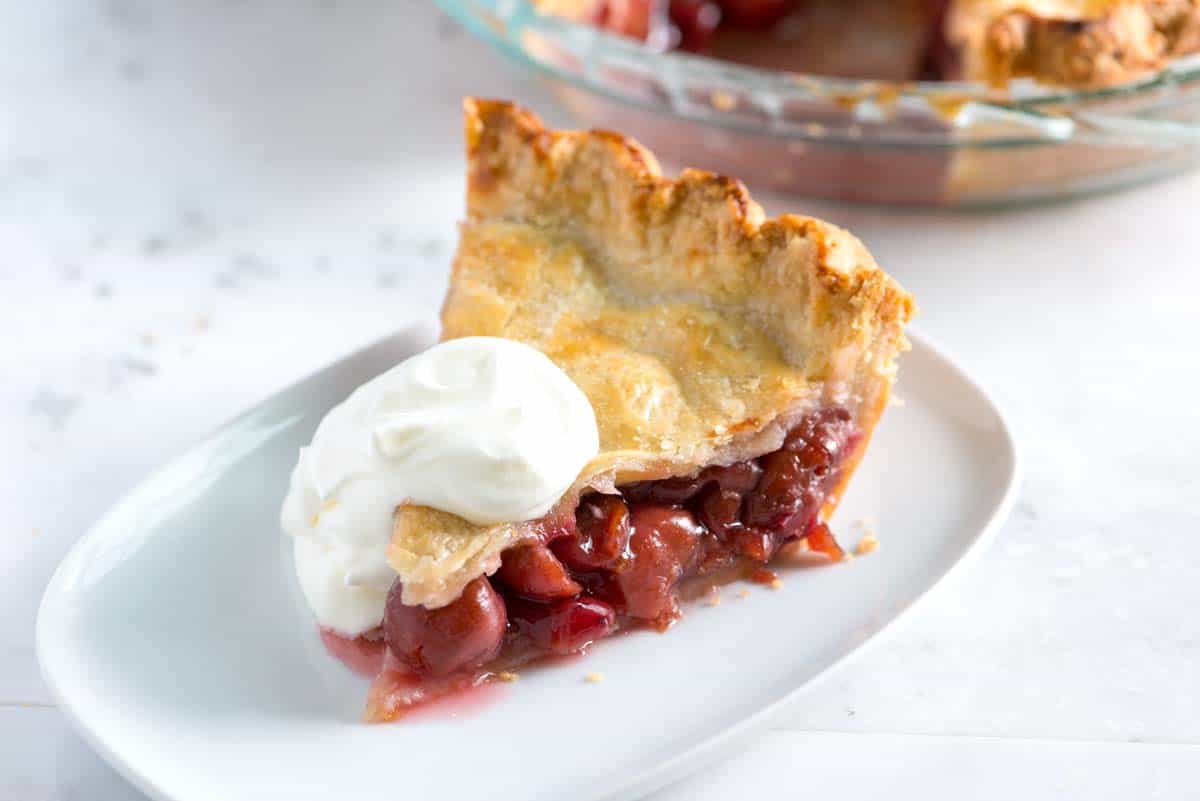

First time I’ve ever made a pie crust successfully. My husband and friend raved. Fluffy, crumbly, and absolutely delicious.! The instructions on everything staying cold helped.I was in a hurry and put my dough in a bag in the freezer while I made my filling. Then rolled it out and put the filling inside before baking. So it would remain as cold as possible!
Do you use the dough hook or chopper blade to mix with the food processor
I use the blade.
Thank you for this recipe. It’s easy and easy to follow to. I used my hands and it worked great. So you don’t need a food processor. I made sheets for turn overs and it came out fabulous
We are thrilled that you gave our recipe a try! Thanks for coming back.
How long do you bake it for and what temperature please
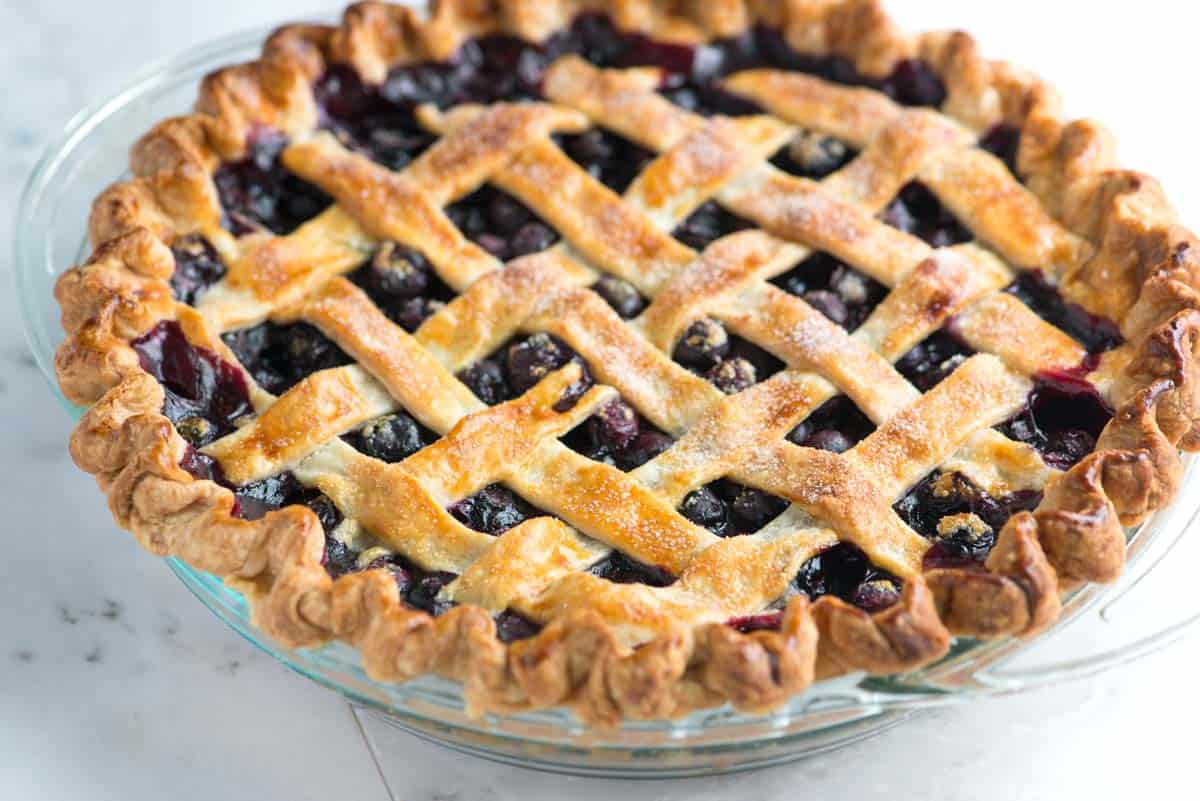
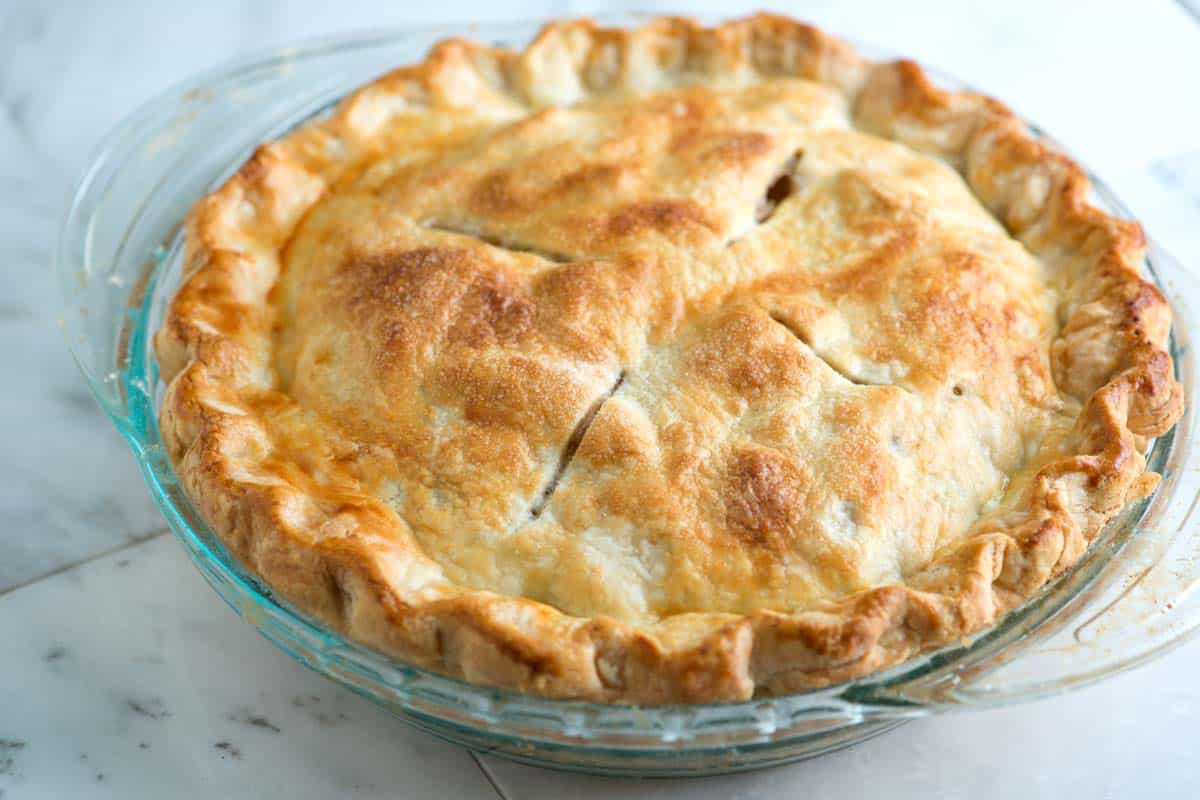
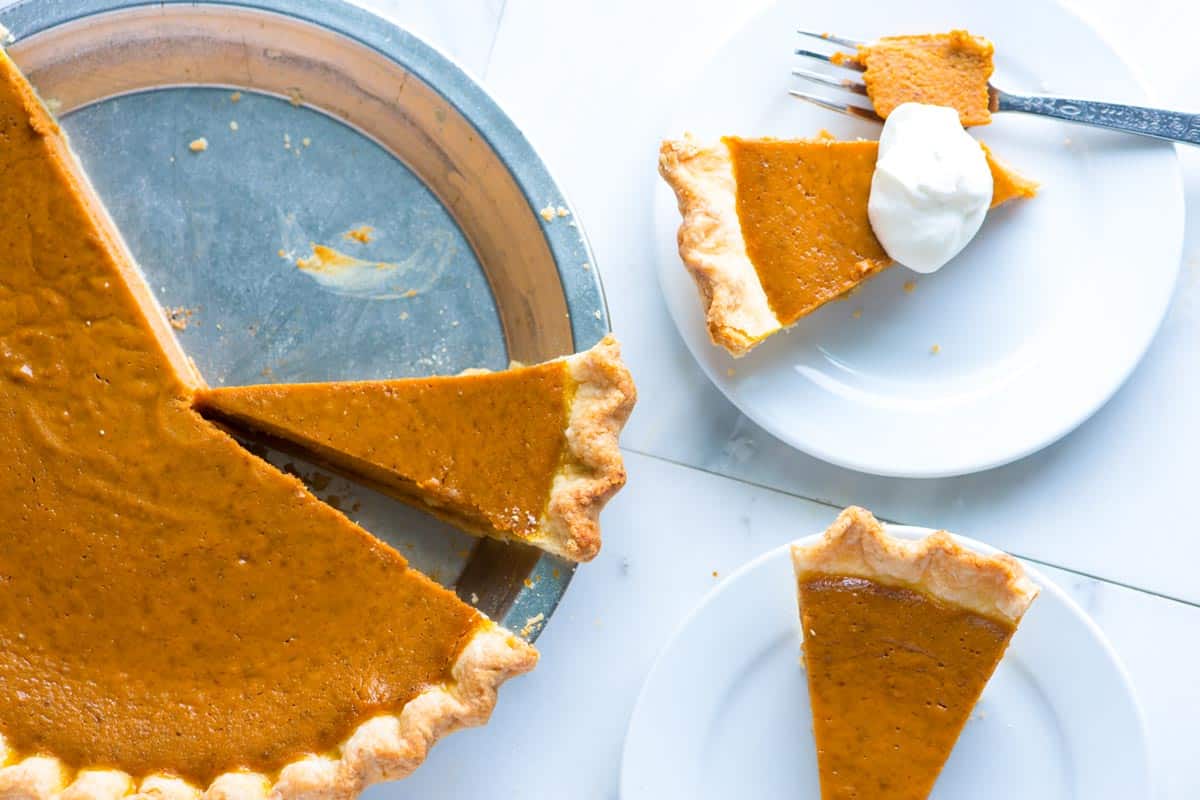
Hi Emma, This will depend on the pie recipe you are making. This is only for the pie dough. I’d read through some of our pie recipes for bake times and temperatures suggestions. Here’s our apple pie, our pumpkin pie, and our blueberry pie.
This is much easier and less messy than your original instructions. Thank you for improving the prep on a great recipe.
Yay! We are glad we improved things. Inspired Taste has been around for a while, and we are always trying to improve our recipes to make them more clear.
Thank you
If I wanted to make a savoury pie, will i still put the sugar?
You can leave the sugar out.
Thank you so much for this fantastic recipe! I’d only tried party dough once before, and it was horrible. I’ve made this one twice this weekend and it’s been perfect both times! Your detailed instructions are so helpful!
That’s wonderful, Pamela! Thanks for coming back and sharing this with us.
Everything looks so good
Thank you, we hope you try it!
Thank you